
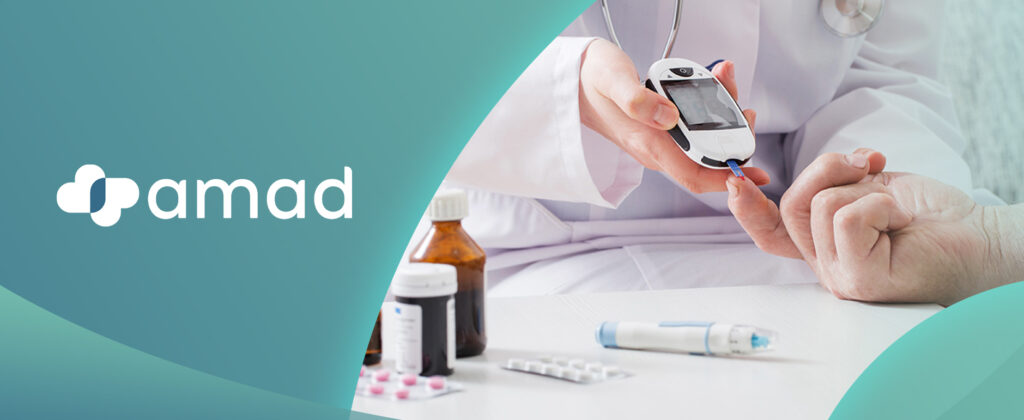
The Importance of Regular Diabetes Screening
Regular screening for diabetes is an essential step in protecting your health and ensuring a better life. Diabetes is known as the “silent killer” because it often develops slowly without clear symptoms, and a patient may go years without realizing they have it. However, when detected early, diabetes can be controlled, and its complications, which may be dangerous to the heart, kidneys, nerves, and eyes, can be prevented. Therefore, regular screenings represent an effective preventive tool that helps improve quality of life and reduce future treatment costs.
With the Amad app, you can ensure a safe and stable life through awareness about the importance of regular diabetes screening and continuous monitoring.
Why is Regular Diabetes Screening Important and What Are Its Main Benefits?
Regular screening plays a significant role in preventing and controlling the disease before it worsens. It is not just about knowing your blood sugar levels; it involves comprehensive monitoring of risk factors associated with diabetes.
Here are the key reasons why regular screening is a necessity and not a luxury:
Early Disease Detection
It helps diagnose the condition in its early stages, allowing doctors to intervene before any serious complications occur.
Prevention of Chronic Complications
Regular monitoring protects the patient from developing conditions like diabetic retinopathy, kidney disease, and heart disease due to unmanaged diabetes.
Lower Treatment Costs
Treating early stages is much more cost-effective than treating advanced complications, which may require medications or surgical interventions.
Lifestyle Guidance
Doctors can assist patients in modifying their diet, increasing physical activity, and adhering to healthy habits.
Mental Health Support
Patients who know they are regularly monitoring their condition experience greater peace of mind and reassurance.
Family Awareness
If there is a family history of diabetes, regular screening encourages family members to get screened as well.
Prevention of Related Diseases
Early screening helps manage blood pressure and cholesterol levels, which are risk factors that increase diabetes complications.
Improved Quality of Life
Ongoing monitoring allows the patient to lead a nearly normal life with minimal obstacles.
Reduced Early Mortality Rates
Regular screening reduces the likelihood of fatal complications such as heart attacks and strokes.
Building a Strong Relationship with the Doctor
Regular check-ups enable the doctor to understand the progression of the disease better, thus improving the treatment plan.
Key Tests Included in Regular Screening
Diabetes screening is not just about checking blood sugar; it includes a comprehensive set of tests that reveal indicators related to the disease. These tests help the doctor form

an accurate picture of the patient’s health:
- Fasting Blood Sugar Test
Taken after fasting for 8 hours, this test is a key indicator of blood sugar regulation.
- Hemoglobin A1c (HbA1c) Test
This reflects the average blood sugar over the past 3 months and is the most accurate way to monitor treatment effectiveness.
- Postprandial Blood Sugar Test (2 hours after eating)
This shows how the body processes glucose after meals.
- Oral Glucose Tolerance Test
Used to detect pre-diabetes and assess the likelihood of future diabetes development.
- Kidney Function Tests
Diabetes can directly impact the kidneys and lead to kidney failure.
- Eye Fundus Examination
Helps detect diabetic retinopathy early.
- Blood Pressure Monitoring
High blood pressure increases the risk of heart and kidney disease in diabetic patients.
- Cholesterol and Lipid Tests
Essential for preventing atherosclerosis caused by diabetes.
- Peripheral Nerve Examination
Used to assess early diabetic neuropathy.
- Weight and BMI Review
Helps doctors guide patients to maintain a healthy weight.
Long-Term Benefits of Regular Screening
Regular screening for diabetes not only protects against immediate complications but also provides long-term benefits. Continuous monitoring and regular tests ensure a more stable and healthier life while reducing risks to the minimum.
- Reducing Cardiovascular Risks
Early detection allows for the control of blood sugar, blood pressure, and cholesterol, reducing the chances of heart attacks or strokes.
- Reducing Kidney Failure Risks
Routine kidney function tests help detect early deterioration, allowing for timely intervention before the condition becomes severe.
- Maintaining Eye Health
Regular eye exams help prevent blindness caused by diabetic retinopathy.
- Protecting Peripheral Nerves
Regular tests help detect diabetic neuropathy early and treat symptoms before they develop into severe complications.
- Improving Mental Health
Ongoing monitoring provides reassurance, reducing stress and anxiety related to the disease.
- Supporting Healthy Habits
After each check-up, patients receive new guidelines to maintain a healthy diet and exercise regularly.
- Enhancing Work Productivity
Proper management ensures that the patient remains active and capable of performing their daily work activities.
- Increasing Life Expectancy
Regular monitoring and tests directly correlate with lower mortality rates among diabetic patients.
How Healthcare Centers Can Help You
The doctor is not the only person responsible for early detection; there is a whole system that should support the patient in this journey. Healthcare centers provide comprehensive services to help patients monitor their condition from all aspects.
- Regular Medical Consultations
Patients can meet their doctor regularly to review test results and develop a personalized treatment plan.
- Comprehensive Laboratory Tests
These centers offer all the necessary tests to monitor blood sugar, cholesterol, and kidney functions.
- Educational Programs
These programs help patients and their families understand the disease and how to live with it healthily.
- Mental Health Support
Some centers offer psychological support sessions to alleviate anxiety.
- Modern Monitoring Technologies
Smart apps allow patients to monitor their test results and medication schedules daily.
- Continuous Patient Communication
Whether through phone or digital platforms, these services ensure that the patient never feels alone in managing their condition.
- Personalized Treatment Plans
Every patient is different, and centers offer individualized plans based on each person’s health condition.
- Regular Dental and Oral Exams
Diabetic patients are more prone to gum infections and dental problems, so it’s crucial to receive regular dental check-ups.
Regular screening for diabetes is the key to protecting against serious complications that could threaten the patient’s life. Early detection, consistent monitoring, and adherence to treatment and a healthy lifestyle can make a significant difference in the life of anyone at risk for diabetes. Remember, your health is a responsibility, and prevention is better than cure.
Frequently Asked Questions
- How often should diabetes screening be done?
It is usually recommended to have a blood sugar test once a year for healthy individuals and every 3 to 6 months for diabetic patients.
- Is fasting blood sugar enough to detect the disease?
No, it is recommended to add an HbA1c test and a post-meal glucose test for a more accurate picture.
- Can I develop diabetes without showing clear symptoms?
Yes, many cases are discovered by chance during routine check-ups before symptoms appear.
- Does early screening protect against vision loss?
Yes, regular eye fundus exams help detect diabetic retinopathy early before it progresses.
- What is the connection between teeth and diabetes?
Diabetic patients are more prone to gum infections and tooth decay, making regular visits to a digital dental center crucial for overall health.
Also Read: